

Huddle Up

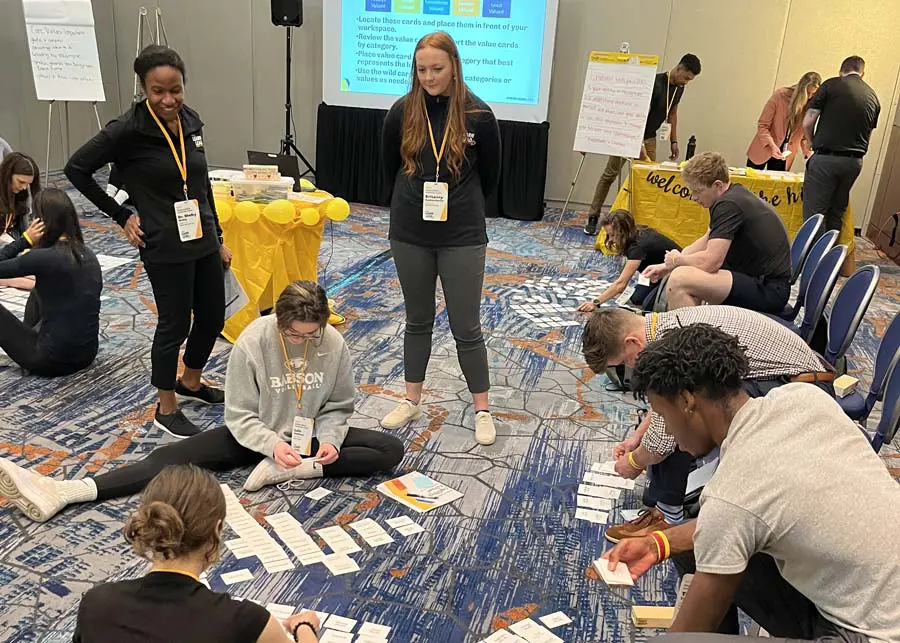
Sport has an outsized impact on culture
We help athletes and teams harness that power and influence for good.


Our Core Work:
Huddle Up Training and education

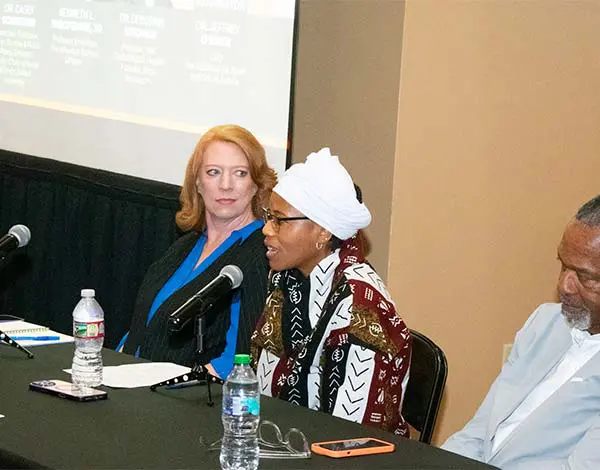
Partners
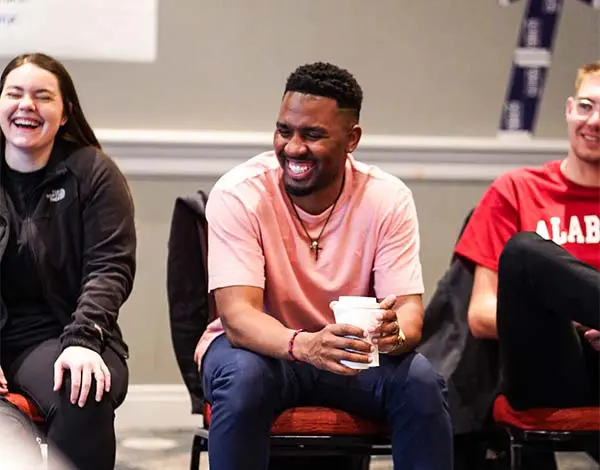
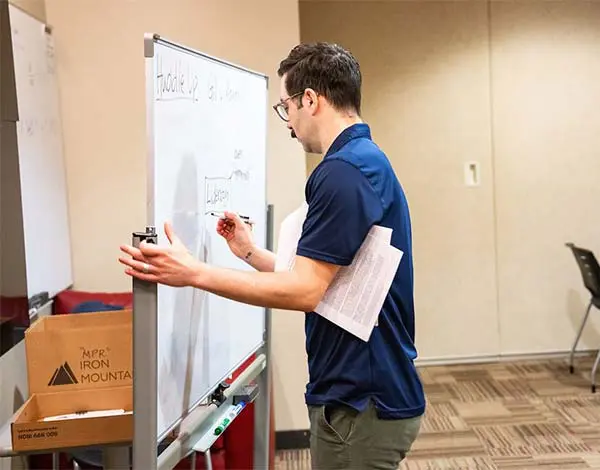
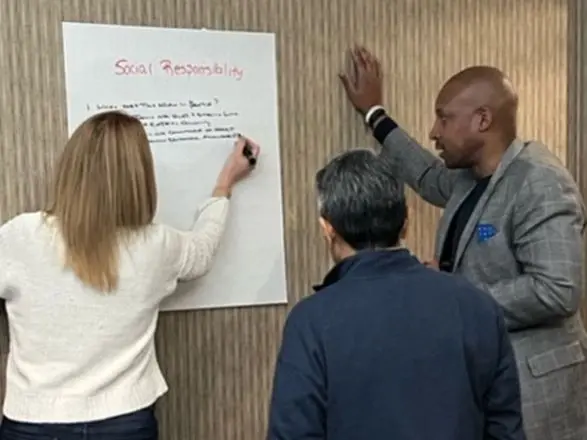
We have partnered with sports organizations, at all levels, to address the most pressing issues in sport and society, with programs focused on gender-based violence prevention, leadership, and inclusion, both in the United States and abroad.













Huddle Up Moves the Needle
Our experience
Backed by over forty years of impact, Huddle Up excels at working with the most difficult-to-reach groups. We've impacted teams across major US professional sports leagues including MLB, NBA, NFL, NWSL, MLS, WNBA, NHL, MLL, NASCAR, and USTA; over 300 college athletic departments; and over 150 high schools.
Our approach
Our programs feel different! We create space for candid conversations through dynamic engagement and active learning. Our trainings use learner-focused techniques, data-driven insights, and solution-oriented tools to give athletes and coaches the leadership skills they need to positively impact their environment.
Our huddle
Our trainers are a diverse group of former athletes, coaches, and athletics staff. Having lived and worked in sports environments, they possess the unique ability to gain the attention & trust of athletes, coaches, staff, and leadership.
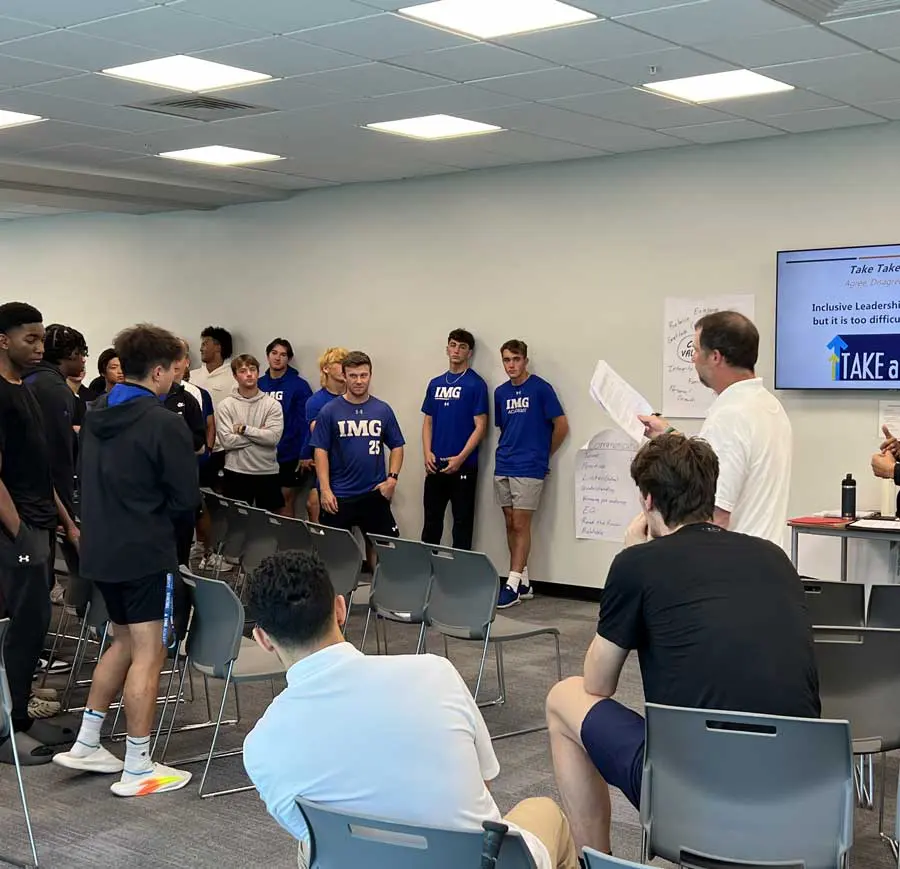
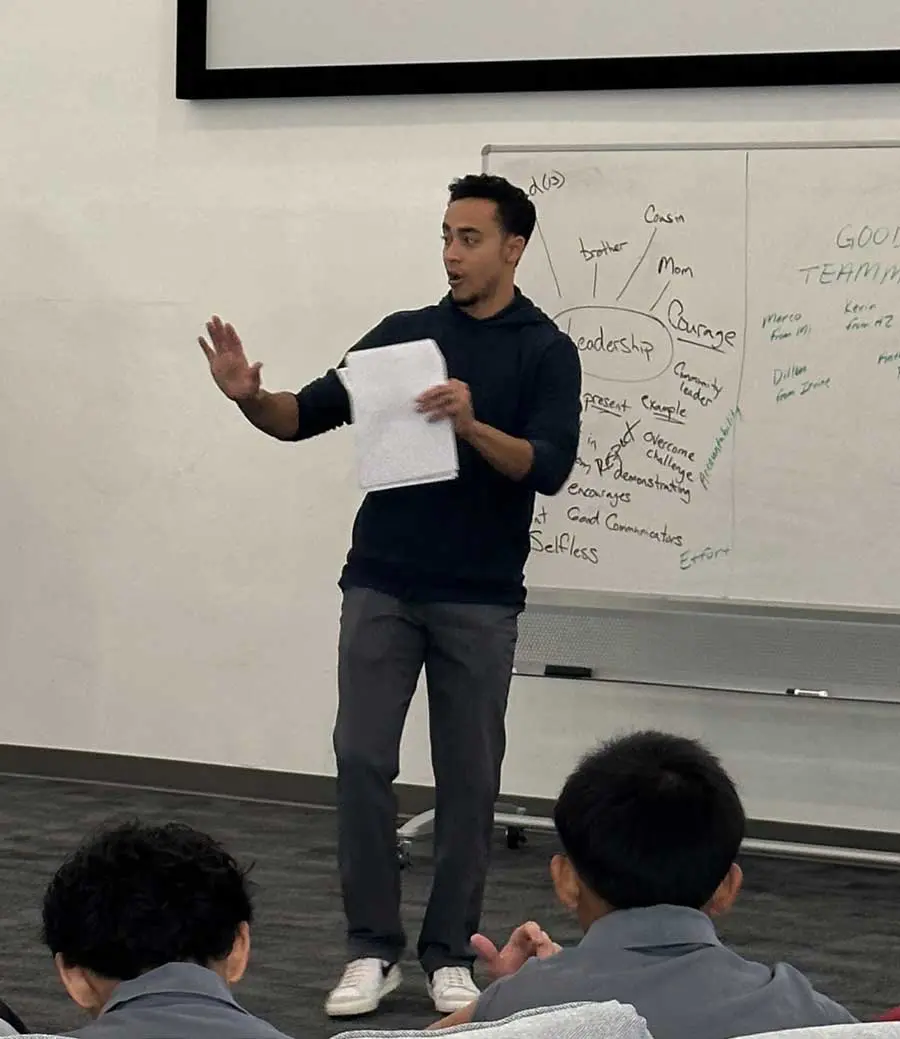
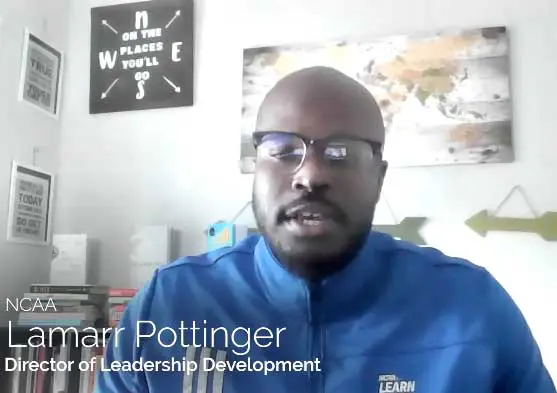
Check Out Our Work with NCAA & IMG Academy
Watch Video about ncaa and img academy 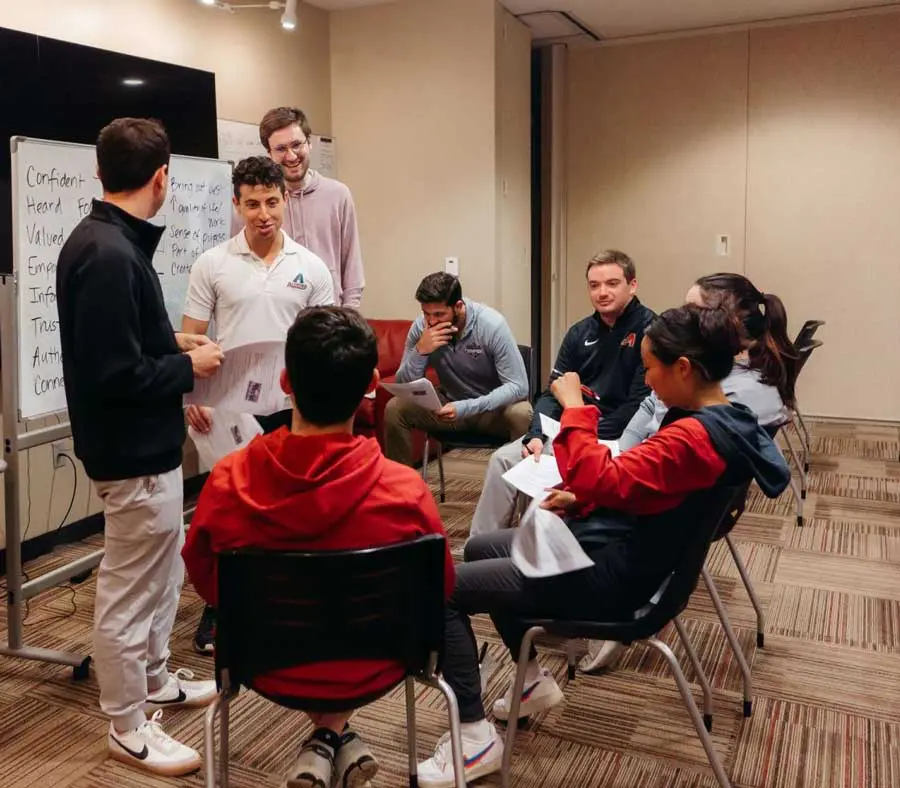
Our Impact Over 100,000 athletes and teams served
In the past year, we engaged over 5,000 learners across 47 sports organizations.
96.7%
Participants agree that the training raised their awareness of the core training topic (i.e. healthy relationship, harassment, respect in the workplace, and more).
96.6%
Participants agree that they learned skills to help address the issue put forth in the session topic (i.e. bystander intervention strategies, leadership skills, and more).
95.6%
Participants agree the training was valuable to them.
Testimony
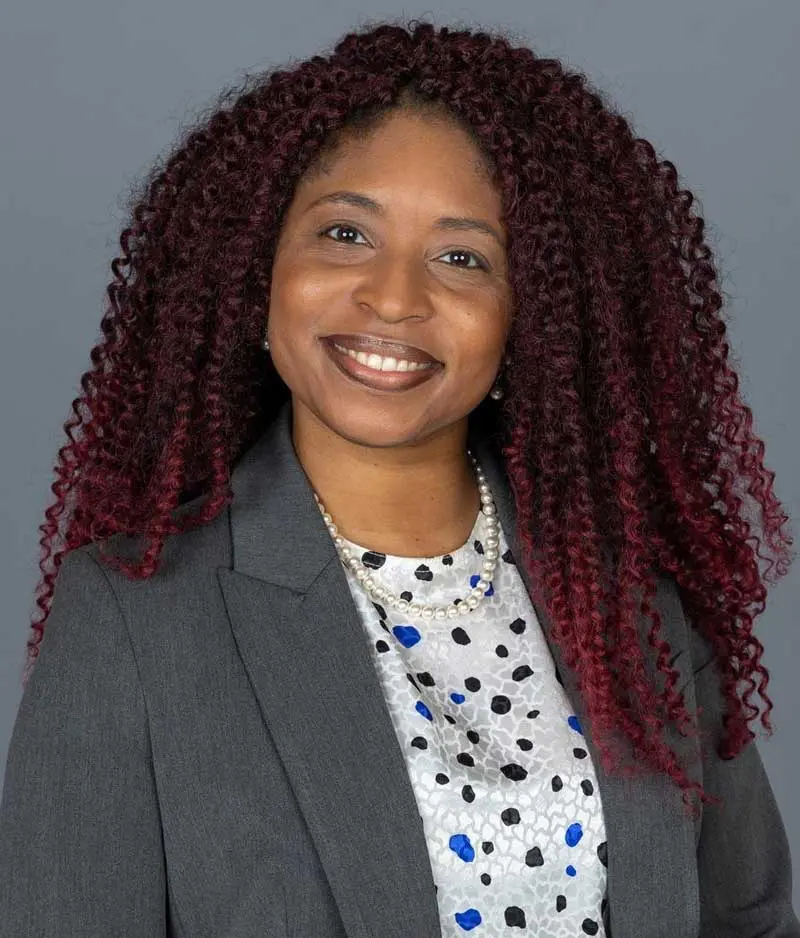
“What I appreciated about the Huddle Up program was the added conversation of what an active bystander looks like, what some healthy and respectful verbal, emotional, mental, physical, and sexual communication looks like in a relationship, no matter the gender, sex, sexual orientation, or expression.”
Dr. Shauna Sobers
Director, student-athlete development
The university of Texas at Austin